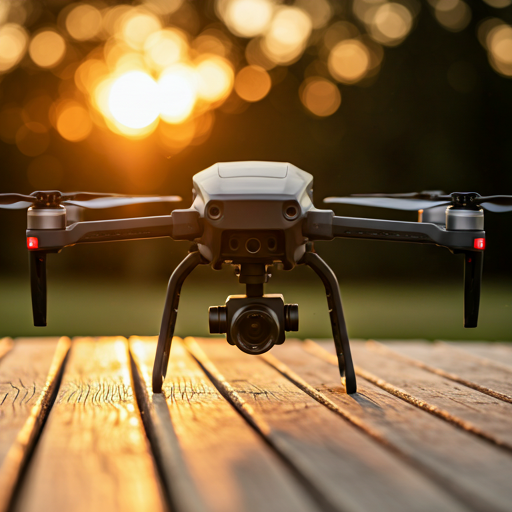
Hiring a drone pilot without an FAA Part 107 certification is more than a technicality—it is a significant professional risk that could cost agencies thousands in fines.
The Legal Mandate
The Federal Aviation Administration (FAA) requires any individual operating a drone for commercial purposes to hold a Remote Pilot Certificate under Part 107. "Commercial purposes" is broadly defined; if the photos are used to sell a home, promote a business, or appear in a professional portfolio, the flight is commercial. Operating without this license is a federal violation.

Fines and Liability
The stakes of non-compliance are remarkably high. The FAA has the authority to issue civil penalties up to $32,666 per violation for the pilot. Perhaps more importantly for real estate professionals, the FAA can also fine the person or agency that hired the unlicensed pilot for "knowingly or unknowingly" violating federal regulations.
warning The Insurance Gap
Standard liability insurance for drone operations is almost universally voided if the pilot is not FAA certified. If an unlicensed drone crashes into a neighbor's roof or, worse, causes injury, the "savings" of a cheaper pilot evaporate instantly under the weight of uninsured damages.
The Path to Part 107 Certification
Becoming an FAA-certified drone pilot requires passing a rigorous written exam covering regulations, weather, airspace, and emergency procedures. Most candidates spend 20–40 hours studying. The test itself is 120 multiple-choice questions, offered at Pearson Vue testing centers nationwide. Pass rate hovers around 65%, indicating genuine difficulty and industry rigor.
Study resources include the FAA's "Remote Pilot Study Guide," third-party test prep platforms like Drone Launch Academy and Sporty's, and hands-on flight practice. The recommended timeline: 4–8 weeks of focused study for someone familiar with aviation concepts, longer for beginners. Upon passing, the certificate is valid for 24 months.
Safety and Airspace Knowledge
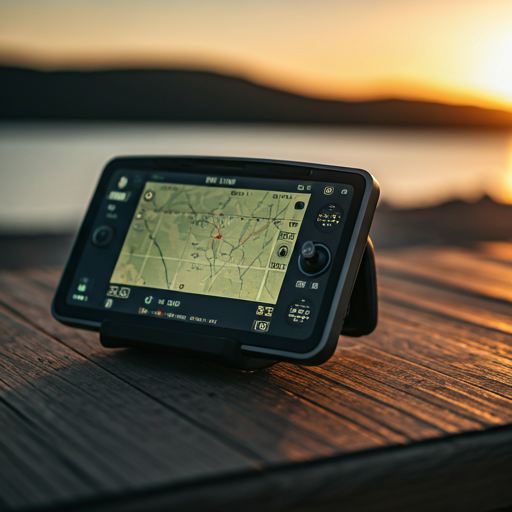
Part 107 certification isn't just a piece of paper; it represents a comprehensive understanding of National Airspace System (NAS) classifications, weather patterns, and emergency procedures. A certified pilot knows how to read sectional charts to determine if your listing is near restricted airport airspace and how to legally obtain LAANC authorization to fly there.
In the Bay Area specifically, airspace restrictions are a critical consideration. Properties near San Francisco International (SFO), Oakland International (OAK), or San Jose International (SJC) airports require special LAANC clearance and careful flight planning. A certified pilot understands these restrictions; an unlicensed operator may not, creating significant liability.
4 Questions to Ask Your Drone Pilot
- check_circle Can I see your FAA Remote Pilot Certificate? A professional will have their card ready to show or a digital copy available.
- check_circle Is your drone registered with the FAA? All commercial drones must carry a registration number on their exterior.
- check_circle Do you carry hull and liability insurance? Ask for a COI (Certificate of Insurance) specifically covering UAS operations.
- check_circle How do you handle controlled airspace? They should mention apps like AirMap, Skyward, or the LAANC system.
Recertification & Staying Current
Part 107 certifications expire every 24 months. Renewal requires passing the same written exam again—there's no "experience exemption." This ensures that certified pilots remain current on regulations, which change regularly. In 2024 and 2025, the FAA introduced new rules around small UAS operations in certain airspaces, and all certified pilots must know these updates.
Insurance & Liability Considerations
Commercial drone liability insurance costs $500–$2,500 annually, depending on coverage limits. Part 107 certification is a prerequisite for standard policies. Coverage typically includes hull (the drone itself), general liability, and equipment. For real estate professionals, this insurance is non-negotiable—a single incident could result in $100,000+ liability exposure.
When hiring a drone pilot for your Bay Area property shoots, always request proof of current insurance with coverage limits of at least $1M. Verifiable certification + proof of insurance are the minimum standards of professional practice.
Bay Area Airspace: Specific Considerations
The San Francisco Bay Area presents unique drone challenges. SFO's Class B airspace (San Francisco) extends well into surrounding counties, including parts of Marin, San Mateo, and Santa Clara. OAK (Oakland) Class C airspace similarly restricts operations. SJC (San Jose) serves Silicon Valley. Properties in these zones—Palo Alto, San Francisco, Marin County—require LAANC clearance even at low altitudes.
Common Mistakes Uncertified Operators Make
- error Flying without LAANC clearance in controlled airspace: Results in immediate FAA enforcement action and significant fines.
- error Operating in poor weather: Part 107 specifies minimum visibility (3 statute miles) and ceiling (400 ft above ground). Uncertified pilots don't know these limits.
- error Flying over people or crowds: Federal regulations prohibit this under Part 107. Uncertified pilots may not understand liability implications.
- error Inadequate pre-flight planning: A certified pilot uses tools like B4UFly, LAANC, and sectional charts. Uncertified operators skip this critical step.
At NS Visuals Estate, every flight is conducted by an FAA Part 107 certified pilot. We don't just capture beautiful images; we protect our clients' reputations and investments through strict adherence to safety and legal protocols. For real estate professionals across the Bay Area, working with a certified drone pilot isn't a nice-to-have—it's a non-negotiable requirement for professional credibility and legal protection.